The minute

When social law is told through Images

Beijing, the Amazing Rest

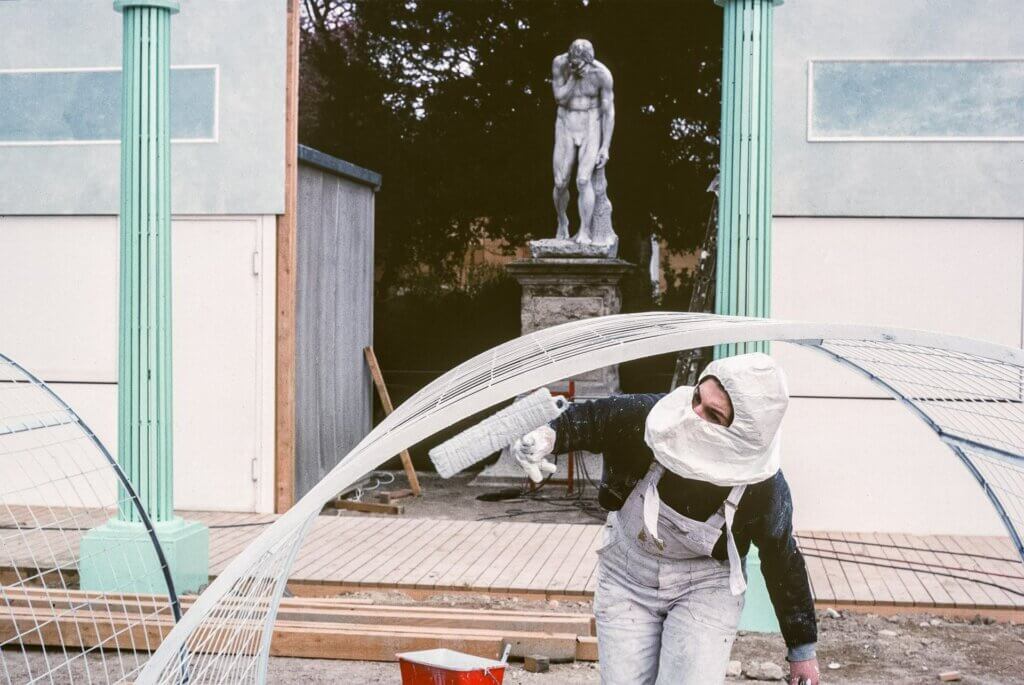
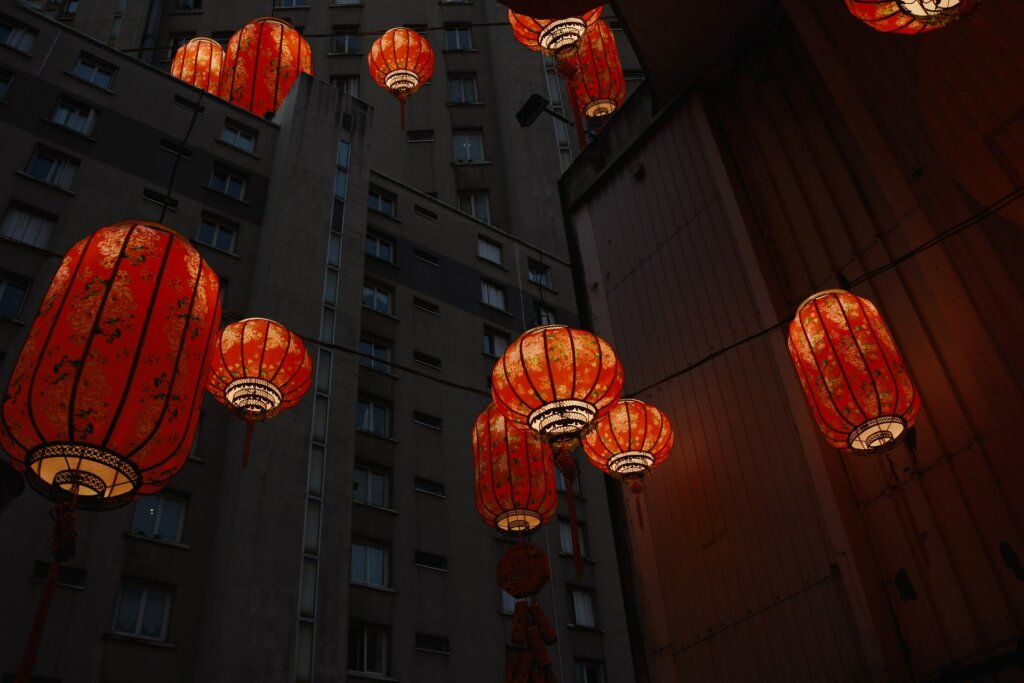
Twenty minutes and you’re back in business! In China, the midday nap 午睡 (wǔ shuìjiào) is an institution. So much so that it is implicitly enshrined in Article 43 of the Chinese Constitution.

From government offices to businesses, from employees to CEOs, sleeping after lunch is not a luxury or a sign of demotivation. It is an accepted right, directly linked to working hours—the day often starts at 7 a.m.—and a different approach to the work/rest balance.

The benefits of this post-lunch break are indeed well documented: improved concentration, reduced stress, and increased productivity in the afternoon. A well-timed micro-nap can even reduce cardiovascular risks and accidents related to fatigue.

So should we import the Chinese model? In 2024, Chinese workers worked an average of 49 hours per week. This average is part of a recent history marked, in some sectors, by the “996” culture—working from 9 a.m. to 9 p.m., six days a week—meaning weeks of up to 72 hours. In such a schedule, taking a nap is less a matter of comfort than of regulation.

In France, a twenty-minute break is mandatory after six consecutive hours of work. For the rest, it all depends on the corporate culture (and the level of fatigue of each individual).

Before concluding, at a time when everything seems to be moving so fast, here’s a proverb to think about:

“It doesn’t matter how slowly you go, as long as you don’t stop.” Confucius

Sure, close your eyes. But never turn a blind eye to the law.
ærige is watching!
The minute

A picture is worth a thousand words,” which is why ærige is launching a unique experience:
portraying the many facets of social law through images—every Monday morning to start the week off right!

SUBSCRIPTION

I would like to receive these articles every monday. 

Beijing, the Amazing Rest

Twenty minutes and you’re back in business! In China, the midday nap 午睡觉 (wǔ shuìjiào) is an institution. So much so that it is implicitly enshrined in Article 43 of the Chinese Constitution. From government offices to businesses, from employees to CEOs, sleeping after lunch is not a luxury or

February 16, 2026

Apprenticeships: beware the cold shower…

In France with an apprenticeship contract, taking the plunge into professional life is often a gentler experience. And judging by the figures, the water had until now remained pleasantly warm. In just a few years, apprenticeships have expanded significantly, rising from 290,000 contracts in 2017 to nearly 879,000 in 2024,

February 2, 2026

Employment Law: What does 2026 have in store for us?

In numerology, 2026 would be a year 1: a year of renewal, new cycles, and structural decisions. Without claiming to predict the future, this Hello Monday has selected six new developments that will clearly shape employment law in the coming months. 1/ Career Path 2.0 Starting in January 2026, pursuant

January 5, 2026

Secret Santa, are you there?

“Shall we do a Secret Santa?” Chocolates, a generic mug or a last-minute gift card, as the festive season approaches, this question may well have made its way around your office. Imported from the United States, Secret Santa has become a fixture in many French companies. The principle is simple:

December 22, 2025

Wellbeing at work: A Swedish User guide

In Sweden, lagom -the principle of “not too much, not too little”- is not a slogan but a genuine framework for work. The idea is straightforward: perform one’s duties diligently, without allowing work to spill over into personal life. And this balance is built through concrete measures: a more horizontal

November 24, 2025

 C for Construction

No breaking news today, but a closer look at the contrat de chantier*, or CDI de chantier*, a permanent employment contract with a variable duration, anchored in the French Labour Code. Originally designed for the construction sector, the CDI de chantier*, also called a CDI d’opération** was reshaped by the

November 10, 2025